
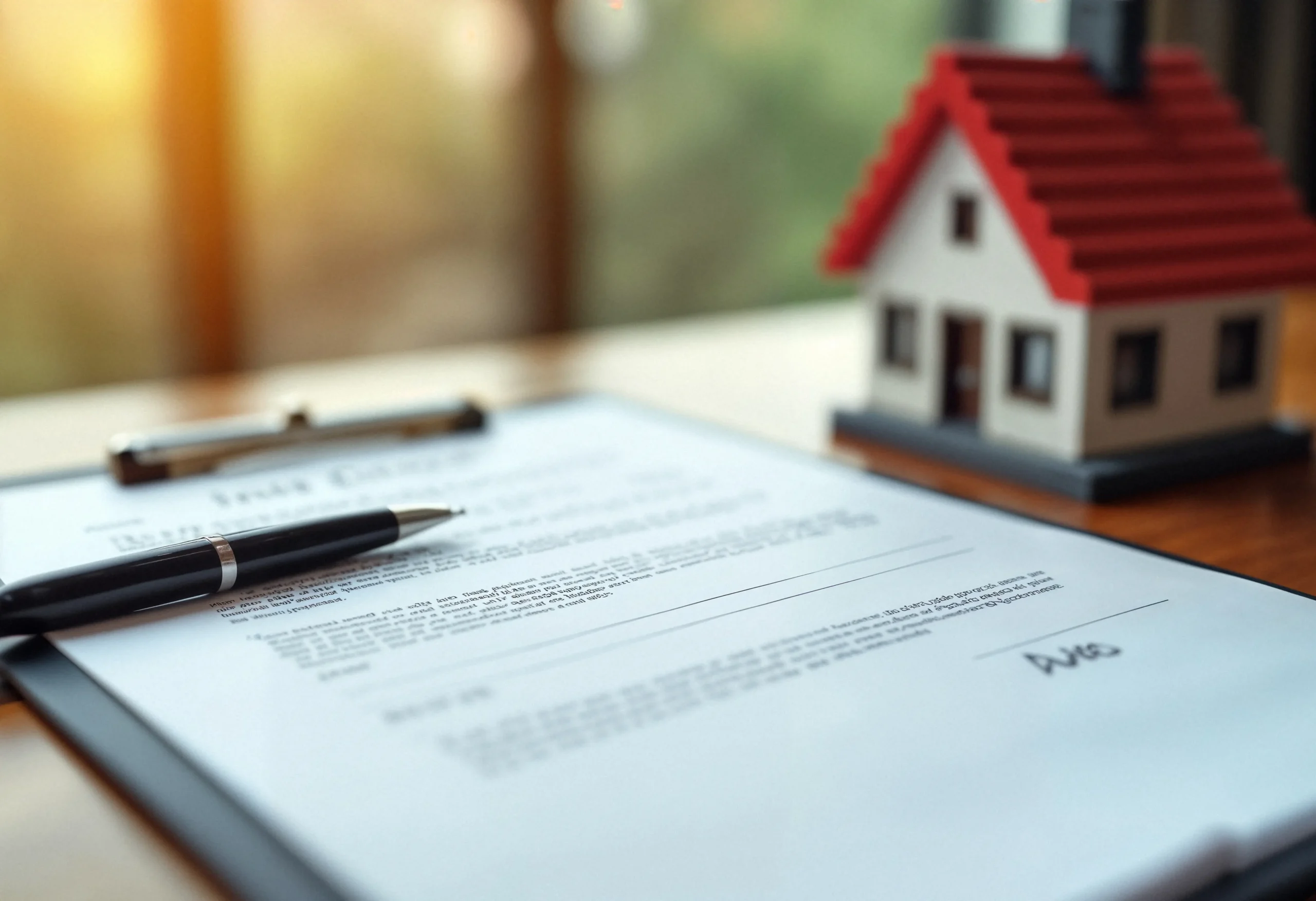
Title Deed
A title deed can be among of the most crucial documents you should check when purchasing property. The title deed establishes legal title to the property and proves that the seller has the authority in transferring ownership of the property to the purchaser. A valid and clear title deed guarantees that there aren’t any disagreements about the ownership of the property.
Buyers must scrutinize the title deed in order to verify that the property was legally transferred to previous owners without disagreements or inconsistencies. If there are any gaps in ownership records or unclear transfers this could cause legal issues at some point in the near future. In a lot of cases, contacting an attorney who specializes in property law can confirm that the title deeds are authentic legal and valid.
A clean title deed guarantees that the property will be sold in the future with no legal problems that is essential to maintain resale value.
Encumbrance Certificate
A certificate of encumbrance is another essential document buyers should be aware of prior to buying a property. This document provides a detailed list of all legal and financial transactions that relate to the property over the specified time.
The encumbrance document helps determine whether the property is subject to financial obligations, like unpaid loans, mortgages as well as legal claims. If a property was secured by loans and the loan hasn’t been paid off then the lender may be legally able to claim the property.
If they examine the encumbrance certification buyers can verify they are unaffected of financial obligations. The property that is free of encumbrances gives more security and lowers the chance of legal problems.
Approved Building Plan
For residential and apartment developments, the developer must have a valid building plan from the appropriate authorities prior beginning construction. This document demonstrates that the building’s layout and design conform to the local laws and regulations regarding zoning.
A building plan that has been approved ensures that the construction is in compliance with the legal guidelines for the use of land, structural design safety standards, as well as environmental rules. Buyers must confirm that the construction has been approved by local authorities prior to making a decision to invest.
The purchase of property in a development that isn’t backed by approved plans for construction is dangerous. Constructions without authorization could face legal consequences, restrictions on utility services, or even demolition orders in extreme circumstances. Therefore, checking the building’s approval is vital before completing the purchase.
Occupancy Certificate
A certificate of occupancy is issued by authorities local to the area when the construction of a structure is completed and checked. The certificate demonstrates that the structure is in compliance to approved blueprints and that it is suitable for residential use.
Without an occupancy certificate the building might not be recognized legally as suitable for occupancy. In certain cases buyers may have difficulties accessing electricity, water or other vital utilities if the property is not properly inspected.
In addition, properties that do not have an occupancy certificate could cause issues when applying for loans to buy homes or selling properties in the near future. To avoid this, prospective buyers must ensure that the property has been issued an occupancy certificate prior to taking possession.
Sale Agreement
It is legally binding document that sets out the terms and conditions that are agreed on by the buyer and the seller. The agreement outlines important information including the price of the property in total as well as the payment schedule, possession date, and the responsibilities of each party who are involved during the sale.
Before signing the agreement to purchase Buyers must carefully read all of the clauses in the agreement. It is essential to determine whether the terms of payment along with the timeframe for delivery and penalties clauses are clearly specified.
The most important elements that are typically part of the sale agreement are:
- – Price agreed upon for the property
- The payment milestones and the timeline
- Possession timeline
- Specifications for construction
- Penalty clauses in case of delay
Knowing these terms can help avoid conflicts and ensures that both parties are protected by the agreement.
Completion Certificate
The completion certificates are issued by the local authorities after the construction is completed in accordance with approved plans. The certificate proves that the contractor adhered to the guidelines for construction and has complied with all safety and regulatory requirements.
In the case of apartment developments The completion certificate assures purchasers that the building has been built legally and is in compliance with the structural standards required by law. Without this certification, the project may be subject to legal or regulatory concerns.
The document’s verification helps to ensure that the home is constructed in accordance with the approved guidelines and is suitable for long-term use.
Importance of Legal Verification
Legal verification is more than an officiality, it’s an essential step to protect buyers from legal and financial dangers. The purchase of property involves a significant investment and ignoring document verification could have serious consequences.
Legal checks that are legal and accurate help buyers make sure that
The seller is legitimately owner rights
The property is completely free of financial obligations
The construction is based on plans that have been approved.
The property is legally occupied, and resold
Engaging experienced legal experts when buying property will help reduce risk and help clarify complicated property documents.
Conclusion
When buying a home, you must pay care with regard to legal documentation and compliance with regulatory requirements. The verification of important documents such as the title deed the encumbrance certificate, building plan approved, occupancy certificate and sale contract helps make sure the house is legal and free from any disputes.
Making the effort to conduct the proper legal verification safeguards buyers from any unexpected issues and helps ensure a smooth transaction. By taking the proper precautions and expert guidance buyers can be confident in investing in property that provides security and value over the long term.
Joe Doe
February 7, 2024Felis imperdiet proin fermentum leo vel. Semper viverra nam libero justo laoreet sit amet cursus. Tincidunt tortor aliquam nulla facilisi. Dictumst quisque sagittis purus sit amet volutpat. Adipiscing bibendum est ultricies integer quis auctor elit sed vulputate. Augue interdum velit euismod in pellentesque. Sed faucibus turpis in eu mi bibendum neque egestas congue. Diam vel quam elementum pulvinar.